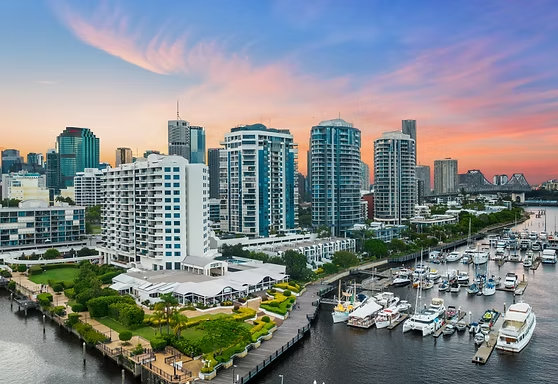
There’s something pretty special about boating from an inner-city marina. One minute you’re tied up beside cafés and boardwalks, the next you’re cruising past skyline views, under bridges, and into wide open stretches of river.
But city waterways also come with more traffic, more infrastructure, and more reasons to be switched on especially around terminals, pontoons, and other moored boats. So before you slip lines at Dockside, here’s a practical, visitor-friendly checklist that keeps things smooth, safe, and stress-free.
Everything below is based on Queensland’s recreational boating guidance always follow local signs on the water and the latest requirements from Maritime Safety Queensland.
1) The “Dockside departure” mindset
Inner-city marinas are busy by nature. Expect:
- Tighter manoeuvring space (fingers, fairways, and boats coming/going)
- More wash sensitivity (people boarding, vessels tied up, pontoons)
- Fast-changing traffic (especially near ferry routes and terminals)
A calm exit sets the tone for the whole trip: take it slow, communicate clearly on board, and don’t rush the first 10 minutes.
2) Quick legal rule that catches visitors out: slow speed near marinas and pontoons
In Queensland, there are “distance-off” rules where 6 knots applies in certain situations particularly relevant around marina areas, jetties/wharves/pontoons, and boats that are anchored or moored.
Dockside-friendly takeaway:
If you’re anywhere near fingers, marina entrances, pontoons, or tied-up boats assume you should be at idle/slow speed, keep your wake down, and prioritise control over speed.
3) The essential safety gear check (do this before you even untie)
Queensland has specific safety equipment requirements for recreational vessels depending on where you’re operating (smooth waters vs partially smooth vs beyond).
Before departure, do a fast “touch check” (physically confirm it’s onboard and accessible):
- Lifejackets for everyone, correct type/level for your trip area, and in good condition
- Communication (charged phone in waterproof pouch, and/or VHF if you use it)
- Sound signal (horn/whistle)
- Navigation lights (working, don’t assume)
- Any other required items for your vessel and where you’re going (this is where many visitors get caught: the rules vary by waters and boat type)
Pro tip: The best safety gear is the gear you can reach in seconds. Don’t bury lifejackets under bags.
4) Lifejacket rules: when “having them onboard” isn’t enough
Queensland’s rules include situations where wearing a lifejacket is compulsory particularly for smaller open boats, at night, when boating alone (or with only young children), and when crossing designated coastal bars.
Visitor shortcut: If you’re unsure, wear one anyway especially when departing/arriving, in rough conditions, or if someone onboard isn’t confident on the water.
5) A simple river etiquette guide that keeps everyone happy
Safety is the priority but etiquette is what makes the river enjoyable for everyone. A few habits go a long way:
Keep your wake under control
- Your wash can slam boats into fenders, knock people off balance, and damage pontoons.
- If you see people boarding or stepping across a gangway ease off early.
Pass wide and slow near moored boats
- Remember the 6-knot “distance-off” concept around moored vessels and marina environments.
Be predictable
- Sudden turns and abrupt speed changes are what create near-misses.
- Maintain a steady line, signal intentions early (visually and verbally onboard), and avoid cutting close across another vessel’s bow.
Give ferries and commercial traffic plenty of space
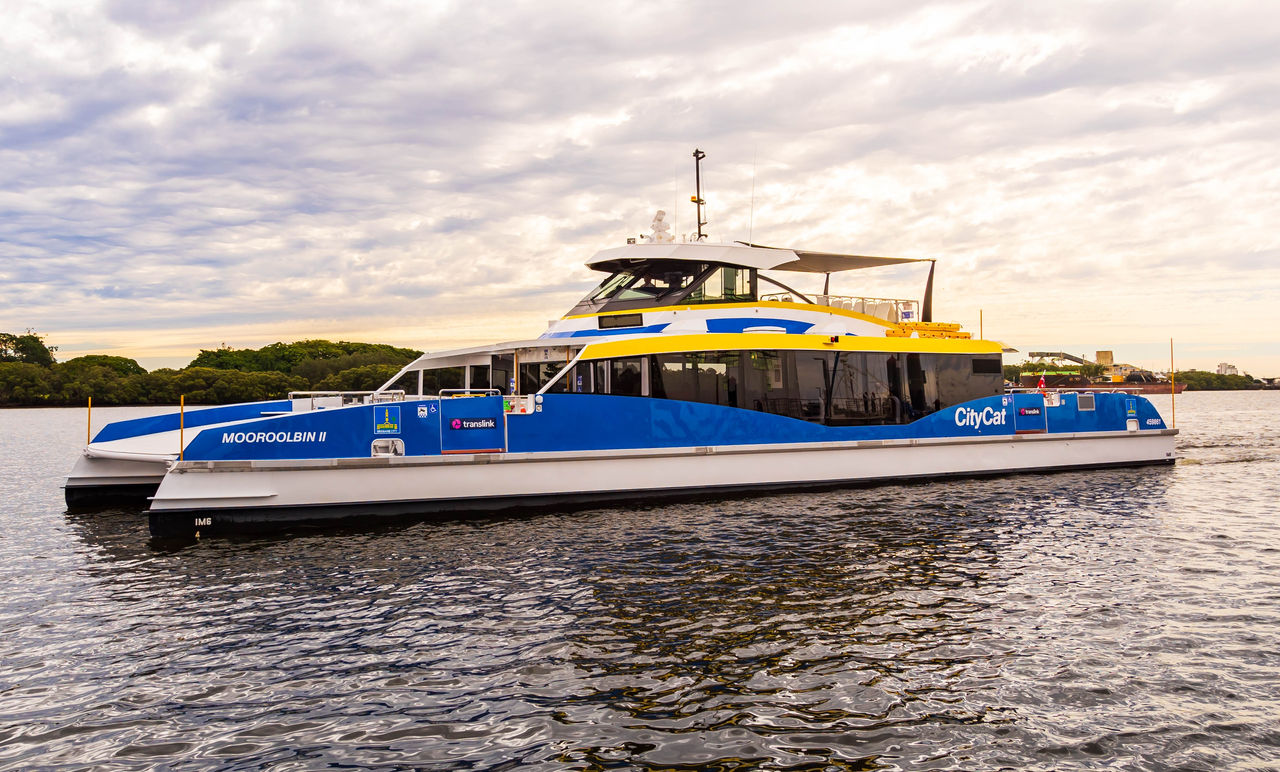
- In city reaches of the river, ferries operate frequently and have limited manoeuvrability compared with smaller craft. Your best move is early avoidance and clear separation.
6) The skipper’s quick scan: 60 seconds that prevents 90% of problems
Before you power ahead from Dockside, do this quick scan:
- People & lines: Is anyone’s hand/foot still near a cleat? Are lines fully clear of the water?
- Wind & current: Which way are you drifting right now?
- Traffic: Any boats approaching the fairway? Anyone reversing out?
- Fenders: Still down and in the right place (especially helpful if you need to pause or wait)
7) Trip planning: the quiet safety multiplier
Queensland boating safety guidance emphasises boat condition, having the right equipment, and letting someone know your plan.
Before longer trips (even “just a day out”), take 2 minutes to:
- Check the forecast (and don’t ignore wind direction river chop can build fast)
- Set a return time (and stick to it; night boating changes the risk profile)
- Tell someone ashore where you’re going and when you expect to return
8) Licensing reminder for visitors hiring or borrowing a boat
In Queensland, you need a marine licence to operate a boat over a certain engine power threshold (and additional licensing for PWCs). If you’re visiting and hiring, your operator will usually guide you but it’s worth knowing the basics so there are no surprises.
The Dockside “Ready to Go” checklist (save this)
Run this list every time:
- ✅ Lifejackets onboard (and worn if conditions/boat type make it sensible or required)
- ✅ Required safety gear for your planned waters (not just “the river in general”)
- ✅ Phone charged + waterproofed (or VHF ready)
- ✅ Slow speed mindset near marina/pontoons and moored boats
- ✅ Wake minimised, especially around boarding areas and tied-up vessels
- ✅ Departure scan complete (wind/current/traffic/lines/fenders)
- ✅ Someone knows your plan + return time
A friendly note from Dockside
Dockside Marina is all about that easy Brisbane lifestyle cruise, explore, come back, and enjoy the precinct. If you’re ever unsure on the water: slow down, create space, and choose the cautious option. It’s almost always the right call.